


Table of Contents
Table of Contents
In the fast-paced world of e-commerce and retail, effective inventory management is paramount. One of the most critical aspects of this management is understanding the nuances between "backorders" and "out of stock" situations. While both terms indicate that a product isn't immediately available for purchase, they have distinct implications for businesses and customers alike.
A backorder occurs when a customer places an order for a product that is temporarily unavailable but is expected to be restocked in the near future. In this scenario, the business commits to fulfilling the order once the product becomes available again. This approach allows companies to continue capturing sales even when inventory is low, maintaining customer interest and revenue flow.
On the other hand, an out of stock status indicates that a product is currently unavailable for purchase, with no immediate plans or timelines for restocking. This situation can lead to lost sales and customer dissatisfaction, as consumers may seek alternatives elsewhere.
Understanding the differences between backorders and out-of-stock scenarios is essential for businesses aiming to optimize their inventory strategies, enhance customer satisfaction, and maintain a competitive edge. This comprehensive guide delves into the definitions, distinctions, advantages, disadvantages, and management strategies associated with backorders and out-of-stock situations, providing valuable insights for retailers and e-commerce professionals.
Backorders serve as a strategic approach for businesses to continue capturing sales even when immediate inventory is insufficient. This practice allows companies to maintain customer engagement and revenue flow during periods of high demand or supply chain disruptions.
- Customer Purchase: Customers can place orders despite current unavailability.
- Fulfillment Timeline: Orders are fulfilled once inventory is replenished.
- Communication: Clear communication regarding expected delivery dates is essential to manage customer expectations.
- Supply Chain Disruptions: Delays in manufacturing, shipping, or supplier issues can hinder timely restocking of products.
- Inaccurate Forecasting: Underestimating product demand or overestimating supply capabilities can lead to inventory shortages.
- Production Delays: Issues in the production process, such as equipment malfunctions or labor shortages, can delay product availability.
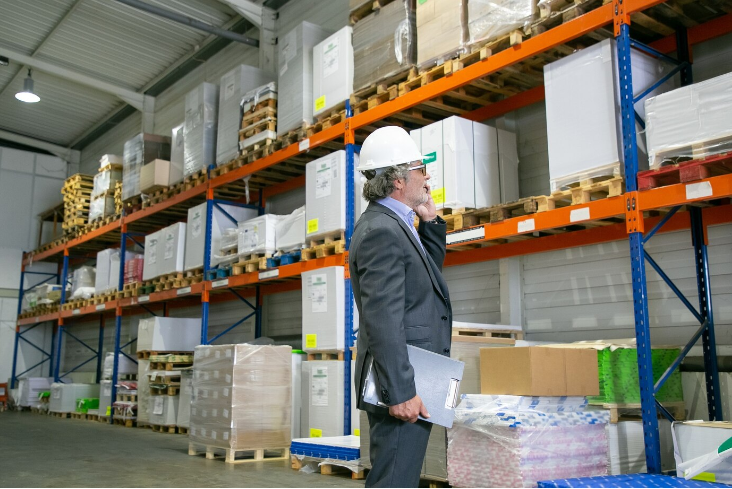
The term out of stock refers to a situation where a product is currently unavailable for purchase, with no immediate plans or timelines for restocking. Unlike backordered items, which can still be purchased with the promise of future delivery, out-of-stock products cannot be ordered until they are replenished.
An out-of-stock status indicates that the inventory for a particular item has been completely depleted, and the business does not have a confirmed restocking date. This can occur due to various factors, including supply chain disruptions, unexpected demand surges, or production delays.
- No Immediate Restocking Plans: There is no confirmed timeline for when the product will be available again.
- Customer Impact: Customers may experience frustration and may seek alternatives from competitors, leading to potential loss of sales and customer loyalty.
- Unexpected Demand Surges: Sudden increases in product demand, often driven by market trends or seasonal spikes, can outpace inventory levels.
- Production Delays: Issues in the production process, such as equipment malfunctions or labor shortages, can delay product availability.
- Inaccurate Forecasting: Underestimating product demand or overestimating supply capabilities can lead to inventory shortages.
- Robust Inventory Management Systems: Implement real-time inventory tracking to monitor stock levels and automate reordering processes.
- Supplier Diversification: Establish relationships with multiple suppliers to mitigate risks associated with supply chain disruptions.
- Safety Stock Maintenance: Keep a buffer stock to cushion against unexpected demand spikes or supply delays.
- Transparent Communication: Inform customers about product availability and restocking timelines to manage expectations and maintain trust.
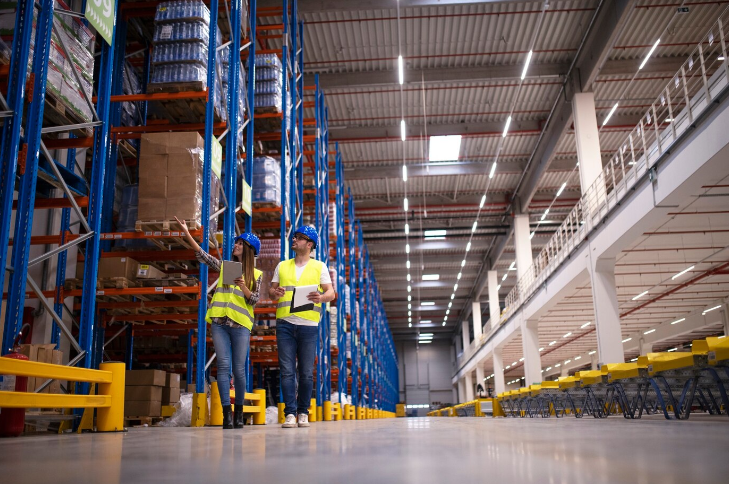
- Out of Stock: Products are unavailable for purchase, and customers cannot place orders until inventory is replenished. This situation often leads to lost sales and potential customer dissatisfaction.
- Out of Stock: There is often no specified restocking date, leading to ambiguity. Customers may be left uncertain about product availability, which can erode trust and prompt them to seek alternatives.
- Out of Stock: Results in immediate sales loss, as customers cannot purchase the desired product. Frequent stockouts can negatively affect brand reputation and customer loyalty.
- Out of Stock: Highlights potential issues in inventory forecasting and supply chain management. Businesses must analyze the causes of stockouts and implement strategies to prevent recurrence.
- Out of Stock: Customers may feel frustrated due to the inability to purchase desired items, leading to negative perceptions of the brand and potential loss of future business.
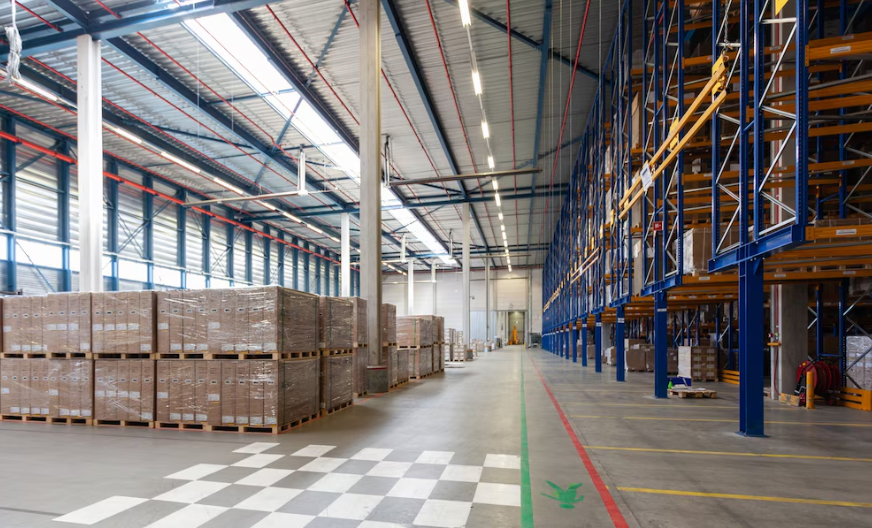
- Immediate Payment: Charging customers at the time of order can secure revenue but may lead to dissatisfaction if delays occur.
- Deferred Payment: Charging upon shipment can enhance trust but may impact cash flow.
- Clear Communication: Regardless of the payment approach, transparently communicating expected fulfillment timelines is essential.
- Reduced Storage Costs: Minimizing or eliminating storage needs lowers warehousing expenses and optimizes space utilization.
- Improved Inventory Management: Cross-docking supports just-in-time inventory practices, reducing the risk of overstocking and obsolescence.
- Enhanced Supply Chain Efficiency: Streamlining the movement of goods improves overall supply chain responsiveness and agility.
- Integrate Advanced Systems: Employ robust warehouse management systems (WMS) and inventory tracking tools to coordinate inbound and outbound shipments seamlessly.
- Establish Clear Communication Channels: Maintain open lines of communication with suppliers and logistics partners to ensure timely information exchange and coordination.
- Design Efficient Dock Layouts: Optimize dock configurations to facilitate smooth and rapid transfer of goods between inbound and outbound areas.
- Train Staff Adequately: Ensure that warehouse personnel are well-trained in cross-docking procedures to maintain efficiency and accuracy.
- Dependence on Supplier Reliability: The success of cross-docking hinges on the punctuality and reliability of suppliers. Delays can disrupt the entire process.
- Initial Investment: Implementing cross-docking may require significant upfront investment in infrastructure and technology.
- Complex Coordination: Managing the synchronization of inbound and outbound shipments demands meticulous planning and coordination.
A backorder occurs when a customer places an order for a product that is temporarily unavailable but is expected to be restocked in the near future. In this scenario, the business commits to fulfilling the order once the product becomes available again. This approach allows companies to continue capturing sales even when inventory is low, maintaining customer interest and revenue flow.
Understanding the differences between backorders and out-of-stock scenarios is essential for businesses aiming to optimize their inventory strategies, enhance customer satisfaction, and maintain a competitive edge. This comprehensive guide delves into the definitions, distinctions, advantages, disadvantages, and management strategies associated with backorders and out-of-stock situations, providing valuable insights for retailers and e-commerce professionals.
1. What Does Backorder Mean?
In the realm of inventory management and e-commerce, the term backorder refers to a situation where a customer places an order for a product that is currently out of stock but is expected to be replenished and shipped at a later date. Unlike items labeled as "out of stock," which are unavailable for purchase until restocked, backordered items remain available for order, with the understanding that fulfillment will occur once inventory is available.Backorders serve as a strategic approach for businesses to continue capturing sales even when immediate inventory is insufficient. This practice allows companies to maintain customer engagement and revenue flow during periods of high demand or supply chain disruptions.
Key Characteristics of Backorders
- Product Availability: Temporarily unavailable but expected to be restocked.- Customer Purchase: Customers can place orders despite current unavailability.
- Fulfillment Timeline: Orders are fulfilled once inventory is replenished.
- Communication: Clear communication regarding expected delivery dates is essential to manage customer expectations.
Common Causes of Backorders
- Unexpected Demand Surges: Sudden increases in product demand, often driven by market trends, seasonal spikes, or viral promotions, can outpace inventory levels.- Supply Chain Disruptions: Delays in manufacturing, shipping, or supplier issues can hinder timely restocking of products.
- Inaccurate Forecasting: Underestimating product demand or overestimating supply capabilities can lead to inventory shortages.
- Production Delays: Issues in the production process, such as equipment malfunctions or labor shortages, can delay product availability.
2. What Does Out of Stock Mean?
An out-of-stock status indicates that the inventory for a particular item has been completely depleted, and the business does not have a confirmed restocking date. This can occur due to various factors, including supply chain disruptions, unexpected demand surges, or production delays.
Key Characteristics of Out-of-Stock Items
- Product Unavailability: The item is not available for purchase, and customers cannot place orders until it is restocked.- No Immediate Restocking Plans: There is no confirmed timeline for when the product will be available again.
- Customer Impact: Customers may experience frustration and may seek alternatives from competitors, leading to potential loss of sales and customer loyalty.
Common Causes of Out-of-Stock Situations
- Supply Chain Disruptions: Delays in manufacturing, shipping, or supplier issues can hinder timely restocking of products.- Unexpected Demand Surges: Sudden increases in product demand, often driven by market trends or seasonal spikes, can outpace inventory levels.
- Production Delays: Issues in the production process, such as equipment malfunctions or labor shortages, can delay product availability.
- Inaccurate Forecasting: Underestimating product demand or overestimating supply capabilities can lead to inventory shortages.
Implications of Out-of-Stock Situations
Out-of-stock scenarios can have significant negative consequences for businesses. They can lead to immediate loss of sales, as customers are unable to purchase the desired product. Additionally, frequent stockouts can damage customer relationships and reduce brand reputation, as consumers may perceive the business as unreliable. Operational costs may also increase due to the need for expedited shipping or last-minute procurement to replenish stock. Furthermore, stockouts can disrupt marketing and promotional efforts, especially if advertised products are unavailable, leading to customer dissatisfaction and potential loss of trust.Strategies to Prevent Out-of-Stock Situations
- Accurate Demand Forecasting: Utilize historical sales data and market trends to predict demand and adjust inventory levels accordingly.- Robust Inventory Management Systems: Implement real-time inventory tracking to monitor stock levels and automate reordering processes.
- Supplier Diversification: Establish relationships with multiple suppliers to mitigate risks associated with supply chain disruptions.
- Safety Stock Maintenance: Keep a buffer stock to cushion against unexpected demand spikes or supply delays.
- Transparent Communication: Inform customers about product availability and restocking timelines to manage expectations and maintain trust.
3. Differences Between Backorders and Out of Stock
understanding the distinctions between backorders and out-of-stock situations is crucial for businesses aiming to optimize operations and maintain customer satisfaction. While both terms indicate product unavailability, they differ significantly in terms of customer experience, sales impact, and inventory strategies.Customer Purchasing Ability
- Backorder: Customers can place orders for products that are temporarily unavailable, with the understanding that the item will be shipped once restocked. This approach allows businesses to continue capturing sales despite inventory shortages.- Out of Stock: Products are unavailable for purchase, and customers cannot place orders until inventory is replenished. This situation often leads to lost sales and potential customer dissatisfaction.
Communication and Expectation Management
- Backorder: Businesses typically provide estimated restocking dates and delivery timelines, setting clear expectations for customers. Transparent communication helps maintain trust and reduces uncertainty.- Out of Stock: There is often no specified restocking date, leading to ambiguity. Customers may be left uncertain about product availability, which can erode trust and prompt them to seek alternatives.
Impact on Sales and Revenue
- Backorder: Enables continued revenue generation by allowing sales to proceed despite temporary stock shortages. It also helps gauge product demand and plan future inventory needs.- Out of Stock: Results in immediate sales loss, as customers cannot purchase the desired product. Frequent stockouts can negatively affect brand reputation and customer loyalty.
Inventory Management Implications
- Backorder: Requires robust inventory tracking systems to manage pending orders and ensure timely fulfillment once stock is replenished. It also necessitates coordination with suppliers to meet delivery commitments.- Out of Stock: Highlights potential issues in inventory forecasting and supply chain management. Businesses must analyze the causes of stockouts and implement strategies to prevent recurrence.
Customer Experience and Satisfaction
- Backorder: While customers may experience delays, the ability to place an order and receive updates can enhance satisfaction, provided communication is effective.- Out of Stock: Customers may feel frustrated due to the inability to purchase desired items, leading to negative perceptions of the brand and potential loss of future business.
Comparison Table
Aspect |
Backorder | Out of Stock |
|---|---|---|
Purchase Availability |
Yes | No |
Customer Communication |
Estimated delivery timelines provided | Uncertain restocking information |
Sales Impact |
Continued sales with delayed fulfillment | Immediate sales loss |
Inventory Management |
Requires tracking pending orders and restocking plans | Indicates need for improved forecasting |
Customer Satisfaction |
Maintained through transparency and updates | Potential decline due to unavailability |
4. Pros and Cons of Backorder
Backordering is a strategic approach in inventory management that allows businesses to accept orders for products that are currently out of stock but expected to be replenished. While this method can offer several advantages, it also presents certain challenges. Understanding the pros and cons of backordering is essential for businesses aiming to optimize their operations and maintain customer satisfaction.Pros of Backordering
Continued Revenue Generation
Accepting backorders enables businesses to continue capturing sales even when inventory is temporarily depleted. This approach helps maintain cash flow and prevents potential revenue loss due to stockouts.Inventory Optimization
Backordering allows companies to manage inventory more efficiently by reducing the need to hold large quantities of stock. This practice minimizes storage costs and the risk of overstocking, leading to better resource allocation.Demand Forecasting
Monitoring backorders provides valuable insights into product demand, assisting businesses in making informed decisions about inventory replenishment and production planning.Customer Retention
Offering backorders can enhance customer satisfaction by providing them with the option to wait for their desired products, rather than seeking alternatives elsewhere. This flexibility can foster customer loyalty and repeat business.Market Responsiveness
Backordering enables businesses to respond swiftly to market trends and fluctuations in demand without the immediate need for large inventory investments.Cons of Backordering
Extended Fulfillment Times
Customers placing backorders may experience longer wait times for their products, which can lead to dissatisfaction and potential order cancellations if expectations are not managed effectively.Operational Complexity
Managing backorders adds complexity to order processing and inventory management systems. Businesses must track pending orders, coordinate with suppliers, and ensure timely communication with customers.Customer Service Challenges
Handling inquiries and updates related to backordered items can increase the workload on customer service teams, necessitating additional resources and training.Risk of Overpromising
Providing inaccurate estimates for product availability can damage customer trust and brand reputation. It's crucial to set realistic expectations and communicate transparently about potential delays.Supply Chain Dependencies
Backordering relies heavily on the efficiency and reliability of suppliers. Any disruptions in the supply chain can exacerbate delays and impact the ability to fulfill backorders promptly.5. Managing Backorder Payments
Handling payments for backordered items requires a balance between maintaining cash flow and ensuring customer satisfaction.- Immediate Payment: Charging customers at the time of order can secure revenue but may lead to dissatisfaction if delays occur.
- Deferred Payment: Charging upon shipment can enhance trust but may impact cash flow.
- Clear Communication: Regardless of the payment approach, transparently communicating expected fulfillment timelines is essential.
6. Cross-docking Fulfillment: How to Deal with Backorders
Cross-docking emerges as a strategic solution to efficiently handle backorders these years. This logistics technique involves the direct transfer of goods from inbound to outbound transportation, minimizing or eliminating the need for storage. By streamlining the supply chain, cross-docking accelerates order fulfillment and enhances customer satisfaction.What is Cross-Docking?
Cross-docking is a logistics strategy where incoming goods are directly transferred to outbound vehicles, with minimal or no storage in between. This approach reduces handling time, lowers storage costs, and expedites the delivery process. In the context of backorders, cross-docking allows businesses to fulfill pending orders promptly upon receiving the replenished stock.Benefits of Cross-Docking for Backorder Management
- Accelerated Order Fulfillment: By bypassing storage, products move swiftly from suppliers to customers, reducing lead times and enhancing customer satisfaction.- Reduced Storage Costs: Minimizing or eliminating storage needs lowers warehousing expenses and optimizes space utilization.
- Improved Inventory Management: Cross-docking supports just-in-time inventory practices, reducing the risk of overstocking and obsolescence.
- Enhanced Supply Chain Efficiency: Streamlining the movement of goods improves overall supply chain responsiveness and agility.
Implementing Cross-Docking for Backorders
To effectively utilize cross-docking for backorder management, consider the following steps:- Integrate Advanced Systems: Employ robust warehouse management systems (WMS) and inventory tracking tools to coordinate inbound and outbound shipments seamlessly.
- Establish Clear Communication Channels: Maintain open lines of communication with suppliers and logistics partners to ensure timely information exchange and coordination.
- Design Efficient Dock Layouts: Optimize dock configurations to facilitate smooth and rapid transfer of goods between inbound and outbound areas.
- Train Staff Adequately: Ensure that warehouse personnel are well-trained in cross-docking procedures to maintain efficiency and accuracy.
Considerations and Challenges
While cross-docking offers numerous advantages, it's essential to be aware of potential challenges:- Dependence on Supplier Reliability: The success of cross-docking hinges on the punctuality and reliability of suppliers. Delays can disrupt the entire process.
- Initial Investment: Implementing cross-docking may require significant upfront investment in infrastructure and technology.
- Complex Coordination: Managing the synchronization of inbound and outbound shipments demands meticulous planning and coordination.
7. 5 Small Tips to Reduce Backorders
Effectively managing inventory is crucial for maintaining customer satisfaction and ensuring seamless operations. Backorders, while sometimes unavoidable, can be minimized through strategic planning and proactive measures. Here are five actionable tips to help reduce the occurrence of backorders: Want to know about our services, fees or receive a custom quote?